
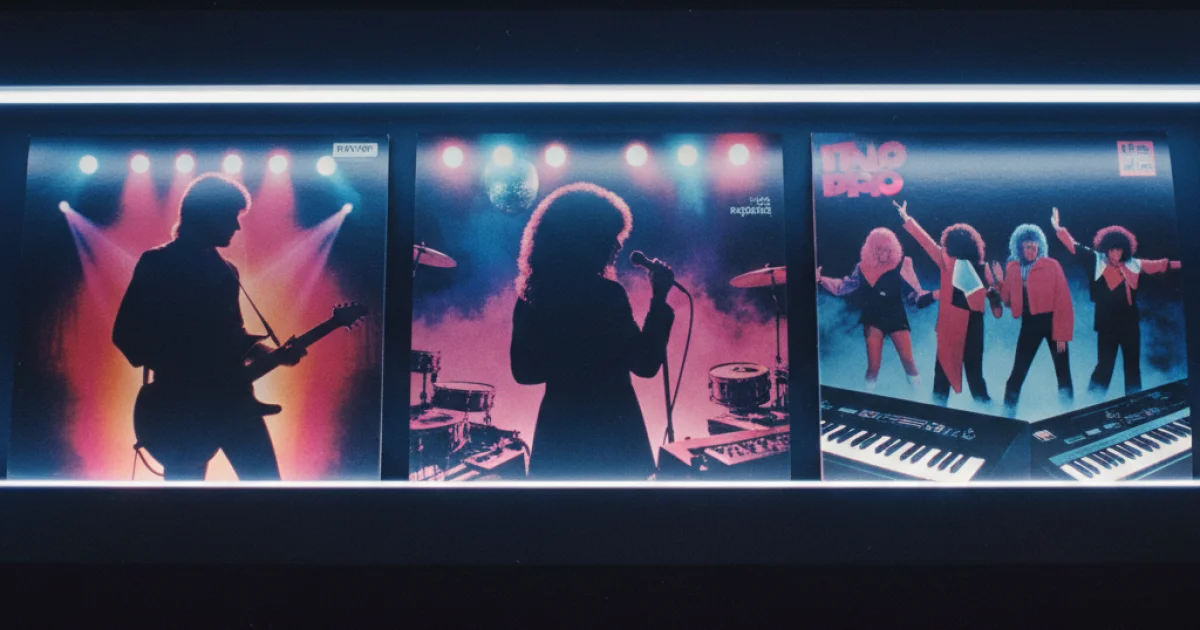
A vinyl record isn't just a way to listen to music but a collectible object with its own culture, rules, and prices. For Italo Disco fans, collecting original '80s records is a serious hobby with its own joys and complications. Here's how to start a collection properly and what you should know.
Why Collect Vinyl
First an honest question - why collect vinyl when all the music is available on streaming? Four reasons:
- Sound. Many audiophiles believe vinyl sounds warmer, more "alive," with a particular character. For Italo Disco, recorded on analog gear, this difference is especially audible.
- Physical experience. A record is an object you can hold, study the sleeve of, read the lyrics of, watch spin. Digital is pure sound, vinyl is a full ritual.
- Collector value. Rare Italo Disco records are appreciating in price. A well-assembled collection is both pleasure and investment.
- Cultural belonging. Collecting connects you to a community of genre lovers around the world.
Where to Start
A newcomer to Italo Disco vinyl collecting is advised to start with the most common and accessible releases. The genre's main hits were reissued many times, and original pressings of non-rare releases can be found for reasonable money.
First purchases are best made at established stores or with trusted sellers. That reduces the risk of ending up with a fake or a record in poor condition. Prices for "ordinary" Italo Disco records start at 10-20 euros - quite affordable for starting out.

Formats and Their Features
Italo Disco came out in several formats, each with its own features:
- 7-inch single. The smallest format, one track per side, the radio version. Good for starting a collection, usually cheap.
- 12-inch single. The genre's key format. A large record with extended club versions - 12-inchers are the most prized by collectors.
- LPs (albums). Full-length records. Less common in Italo Disco than singles; usually contain the artist's main hits plus additional material.
- EPs (mini-albums). A format between single and album. Present in Italo Disco but not widespread.
Record Condition
A key parameter when buying vinyl is its condition. There's an international grading system for records used on Discogs and at most stores. From M (Mint, perfect) to P (Poor, bad) and variations in between.
For collecting, records in VG+ (Very Good Plus) condition or better are recommended. VG+ means the record has been used but shows minimal wear. M and NM (Near Mint) are nearly new, rarer and pricier.
Records at VG or worse are best avoided for a collection. Scratches, scuffs, softened sound - all of that reduces both value and listening pleasure.
Where to Look
The main places to find Italo Disco records. Discogs - an online marketplace with a huge database of releases and a trading system between collectors. This is the main resource for serious buying. Specialized vinyl shops in your city may have a retro section with Italo Disco. Major European cities (Berlin, Amsterdam, Milan) have shops specializing in retro dance music.
Flea markets - sometimes you can find inexpensive copies, but the risk of fakes or bad condition is higher. eBay - similar to Discogs but less specialized. Concerts and retro festivals - such events often feature vinyl stalls with Italo Disco stock.
Originals vs Reissues
An important distinction is original '80s records versus modern reissues. Originals are prized higher - they have historical value, the authentic sound of the era, the correct packaging. But they cost more and are harder to find in good shape.
Reissues are records pressed in later years (2000s, 2010s, 2020s) from original master recordings. They're cheaper, more often in perfect condition, but carry less collector value.
For an initial collection, reissues are an excellent choice. A serious collector will eventually want the originals.
Spotting Fakes
Fakes of original Italo Disco records turn up, especially on online platforms. How to spot them:
- Matrix numbers. Numbers etched into the inner ring of the vinyl identify the specific pressing. The Discogs database contains information about authentic ones - check that they match.
- Sleeve print quality. Originals have signature typography, paper quality, color reproduction; fakes often look more "digital" or blurred.
- Suspiciously low price. If a record usually worth 200 euros is selling for 30, it's suspicious. Rare pressings aren't cheap.
- Missing original markings. Barcodes, label codes, distributor stamps - details often missed by forgers.
Storage
Proper storage of records is critical. Main rules:
Vertical, not horizontal - records need to be stored standing up, not stacked flat. Horizontal storage warps vinyl. Protective sleeves - every record should be in an inner anti-static sleeve. Covers - in outer plastic sleeves for wear protection.
Temperature and humidity - vinyl doesn't like swings. Room temperature, moderate humidity. Don't keep near heaters or a window with direct sun. Dust is the main enemy. Regular cleaning with specialized brushes or cleaning machines preserves the sound.
What It Costs
The price range is huge. An ordinary Italo Disco single in decent condition - 15-30 euros. Well-known hits in good shape - 30-80 euros. Rare records, small-run releases, early pressings - 100-500 euros. Unique copies (promo copies, special editions, autographed records) - up to several thousand euros.
If you want to collect reasonably, a sane budget for a "standard" collection of 100-200 key records is 3000-10000 euros. Serious but not extreme. For a "full immersion" collection with rarities and unique editions, the budget can be multiple times that.
Listening Equipment
A collection without a turntable is just a set of discs. For listening to vinyl you need quality gear. Minimum: a turntable (from 300-500 euros for a decent level), a phono preamp (can be built into the amplifier), an amp, speakers.
For sound connoisseurs more serious investments are possible - thousands and tens of thousands of euros. But to start, even mid-level gear gives an excellent impression of vinyl.
Collecting as a Hobby
Italo Disco vinyl collecting is more than purchases and storage. It's a whole culture. Meet-ups with other collectors, discussions of rarities, record swaps, visits to specialized fairs. It's an active community with its own events and traditions.
For many collectors, the main joy isn't the purchase itself but the journey: searching for a rare record for years, an unexpected find at a flea market, meeting interesting people through a shared hobby. That turns collecting from mere consumption into a live cultural experience.
Starting Today
If this article inspired you to start collecting Italo Disco vinyl, here's a simple plan for the first month. First, study the genre's catalog and make a list of 10-20 records you'd want. Second, find a local vinyl shop and register on Discogs. Third, buy your first 3-5 records from your list. Fourth, ensure proper storage from day one.
In a month you'll have the start of a collection and an understanding of the process. From there, it develops and deepens.
According to the RIAA report, vinyl record sales in the U.S. in 2023 exceeded CD sales for the first time since 1987 - this isn't a temporary retro wave but a stable market shift. For a genre originally recorded on vinyl, that means the format Italo Disco was designed for has become a working way to consume music again. A collection you're starting today will be worth more in five years, not less - that's actual economics, not collector romanticism.