
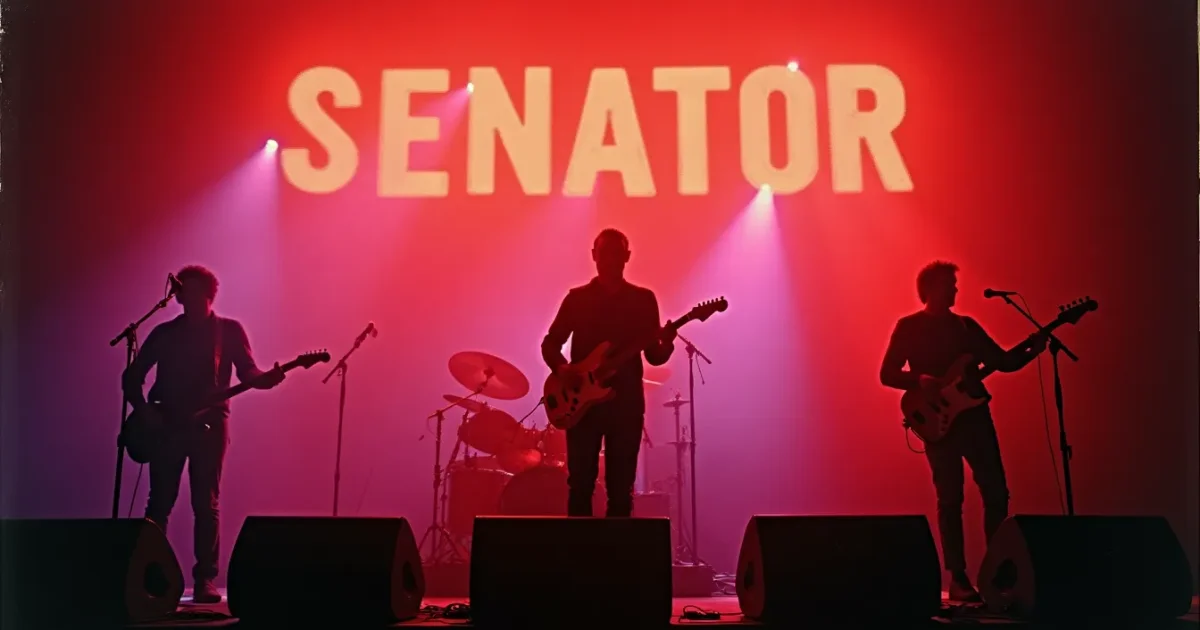
In 2003 the Russian group Senator released the album "Посмотри в глаза" on the German label Beilix. The opening track, "Девчонки" ("Girls"), is a light Europop song typical of the early 2000s: a simple beat, melodic synthesizer, Russian vocals and a nostalgic mood. When Disco Magic & valex77 made their cover, they kept the emotional hook - the youthful lightness of the song's address to "the girls" - but changed almost everything else. The difference between the original and the cover is the difference between Russian Europop and an Italo disco arrangement: different tempo, different bass, different groove.
Who were Senator and where did "Девчонки" come from?
Senator were a Russian group whose albums were manufactured in Germany on Beilix. According to Discogs, Посмотри в глаза (cat.no. SE - 72 023) was released in 2003 and contained twelve tracks, including "Девчонки", "Говори, я слушаю", "Алёнка", "Недотрога" and "Мама". The sound is Russian Europop from the early 2000s: soft synthesizers, programmed drums, melodic vocals and lyrics about simple feelings.
"Девчонки" opens the album. It is not an aggressive Eurodance club hit, but a pop song with a gentle rhythm, close to what Russians then called "discotheque 90s-2000s": understandable words, a sing-along chorus and a neutral dance beat without aggression.
Beilix specialised in Russian-language music for emigrant audiences in Germany and other European countries. Releasing the album abroad meant the record was made to European technical standards but with Russian repertoire and vocals. This explains the clean, "laminated" sound of the record: it sounds like a European pop production but is sung in Russian. Such origins make "Девчонки" a convenient object for an Italo disco refit - the song is already close to the European dance tradition.
How the original is built: the 2000s sound
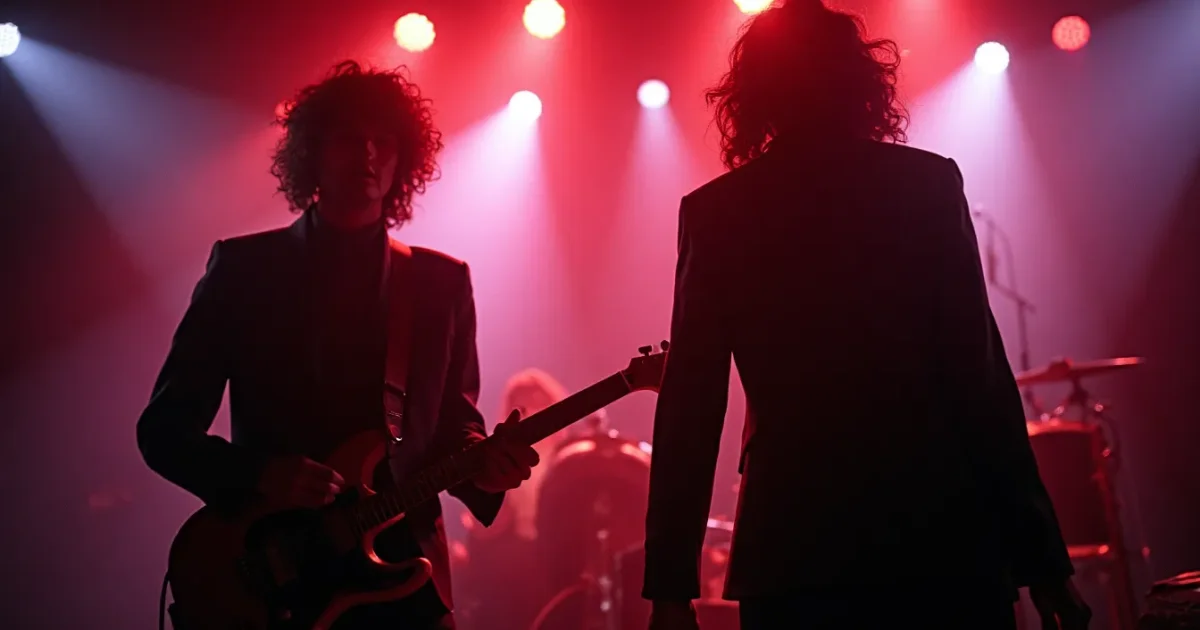
Without access to the stems the exact instruments are hard to name, but the style suggests a standard set that any Russian pop studio of the early 2000s would use. Keyboard pads were probably Yamaha DX7 or Roland Juno-D / Juno-Stage: rose-tinted strings, electric piano, light synth-wah strings. Drums were programmed, with the "plastic" sound typical of GM modules; sometimes Roland TR-707 or Roland R-8 were used instead for a livelier hi-hat. Bass was either a direct-recorded bass guitar or a synth bass from the Yamaha DX7 (BASS 1) or Roland JV-1080. Tempo is around 110-120 BPM - not a dance hit, but danceable pop.
Harmony is simple and major, with the melodic phrasing typical of Russian Europop. The verse sits on the tonic and subdominant; the chorus lifts to the dominant. The vocal is in the middle register, almost free of melisma, with clear diction so the words remain intelligible. Effects are minimal - light reverb, small delay on the vocal, occasional chorus on pads. The mix is dynamically flat: a typical "radio record" flattened for car radios and transistor speakers.
The lyrics speak to "the girls" as a universal image rather than a specific story. That makes the song easy to cover: the hook works in any arrangement as long as the address and the melodic line survive. Where a lyric contains a specific local detail it can be lost in translation; here that problem does not arise.
What Disco Magic changed
The Disco Magic & valex77 cover moves the song into Italo Disco / Eurodance territory. The changes usually cover four things:
- Tempo. The original is slower and softer; the cover pushes the rhythm to a dance BPM closer to 128-140.
- Bass. Instead of a soft synth bass or bass guitar, a tight octave bass in the Italo disco style appears - eighth notes, root and fifth.
- Rhythm section. Clear four-to-the-floor kick, electronic hi-hats, keyboard arpeggios replacing chord pads.
- Vocals. The melody is kept, but the delivery becomes more "European": more reverb, more echo, occasional choral backing.
Cover technology: how the Italo Disco version is assembled
In a modern DAW the cover begins with transcribing the original melody and harmony. Then the drum section is programmed: kick on every beat, hi-hats in sixteenths or eighths, open hi-hat on the off-beat, clap or snare on beats two and four. The bass is synthetic, octave-based, with a short attack and long release, typical of Italo Disco. Pads are replaced by analogue or virtual-analogue synthesizers: Roland Juno, Jupiter-8, Prophet-5. The lead line often doubles the vocal melody in the chorus to strengthen the hook.
The original vocal is either sampled or re-recorded with a new delivery. Disco Magic frequently works with its own vocalists, preserving the timbre but adding the characteristic Italo disco distance: more reverb, a touch of delay and light chorus. The final mix aims for a "European" sound: bright highs, tight lows, restrained dynamics - not modern EDM, but retro club sound.
The result is the same song in a different genre costume. The original sounds like music for a café or house party; the cover sounds like a track for a retro discotheque or DJ set. Yet the vocal phrase "the girls" in the chorus still acts as an anchor: whatever bass is added, the listener still knows which song this is.
Why "Девчонки"?
Disco Magic & valex77 have several covers of Russian hits refitted for Italo disco. "Девчонки" is a logical choice: the melody is simple, the lyrics are clear, the hook is durable and nostalgia for the 2000s is strong. The song is also not so massive that every note of the cover is compared to the original, yet familiar enough for the Russian-speaking retro-disco audience.
Why "Девчонки"?
Disco Magic & valex77 have several covers of Russian hits refitted for Italo disco. "Девчонки" is a logical choice: the melody is simple, the lyrics are clear, the hook is durable and nostalgia for the 2000s is strong. The song is also not so massive that every note of the cover is compared to the original, yet familiar enough for the Russian-speaking retro-disco audience.
Unlike covers of "Vamos a la playa" or "Self Control", where international recognisability matters, "Девчонки" is purely local material. That gives the artists more freedom in arrangement: they do not need to worry that a German or Italian listener will notice a departure from the canon.
Audience reaction and place in the Disco Magic catalogue
Disco Magic covers of Russian hits attract two kinds of comment: from those who grew up with the original and are glad to hear the melody in a new sound, and from those who are discovering the song through Italo disco. "Девчонки" is a typical case: in 2003 the track was not a number one, so nostalgia mixes with surprise. For a younger audience it sounds like "Russian Italo disco"; for an older audience it is a return to youth in a different arrangement.
In the project catalogue the cover occupies a niche between pure Eurodance refits and more acoustic, original-faithful versions. It does not try to reproduce Senator note for note, but it does not turn the song into something unrecognisable either. This balance is the main value: the cover serves as a bridge between two eras and two audiences. In Disco Magic playlists it sits alongside original tracks and other covers, showing that retro culture can feed on both its own past and a borrowed, reimagined sound.
Comparison with other project covers and international parallels
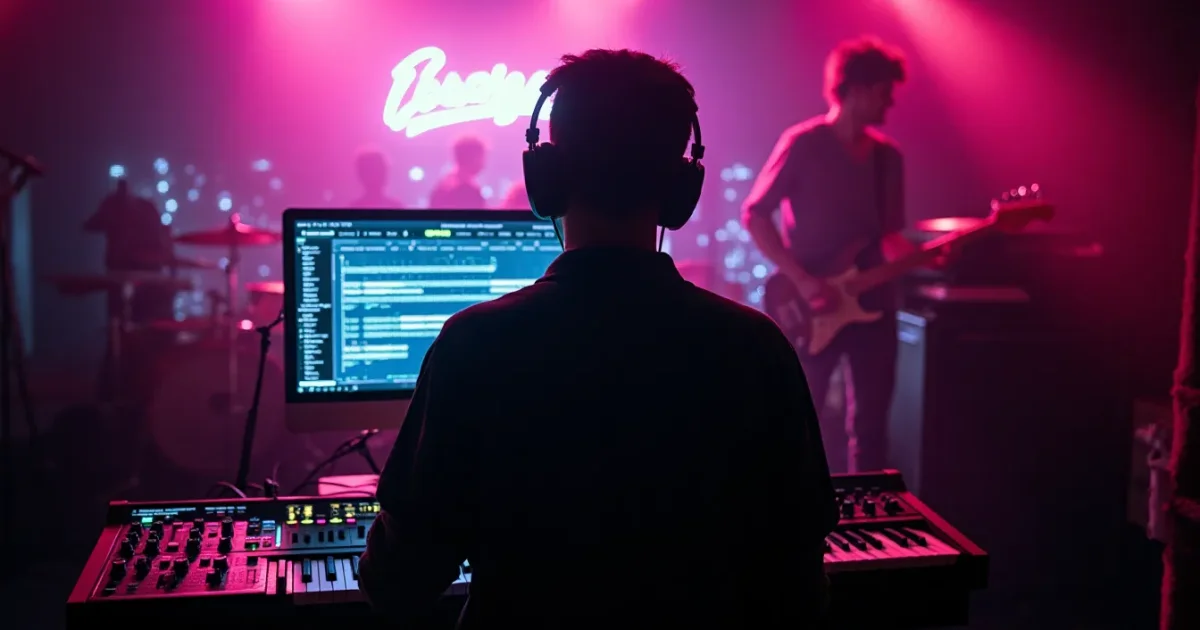
A similar logic applies to the covers of "Летний ветерок" and "Поцелуй в сердце": take a Russian melody, keep the vocal line, but replace the arrangement with a European dance sound. The difference is that "Летний ветерок" and "Поцелуй в сердце" lean toward 90s Eurodance, while "Девчонки" leans toward Italo Disco: less rap, more synth pads and melodic vocals.
Compared with international analogues, it resembles the way Italian producers in the 1980s took English or French pop hits and remade them as Italo disco. The only difference is direction: Disco Magic takes Russian pop and stretches it over a European retro sound.
What survived from the original and what is new
What stays: the melody, the lyrics, the general key, the way the song addresses "the girls". What changes: rhythm, bass, instrumentation, energy, the song's place in the genre map. The original is Russian Europop of the 2000s; the cover is 2020s Italo disco speaking Russian.
For the Disco Magic listener the cover solves two tasks: they recognise a familiar melody and receive it in the sonic packaging they love - synthesizers, bass, dance beat. For the project, it is a way to keep a bridge between Russian retro heritage and European disco tradition.
Cultural context: why covers of Russian pop work
Russian pop of the late 1990s and early 2000s often relied on a melodic vocabulary close to European disco: major harmony, simple choruses, synthesizer production. When such songs are remade as Italo disco, they do not feel alien - rather, they return to their European source. "Девчонки" is a good example: its melody needs no radical rebuild, only a stronger bass and rhythm.
This same technique is used by many European retro projects: take forgotten national hits and dress them in an 1980s sound. The Russian-language variant differs only in the language of the lyrics and the geography of the originals.
Why do such covers work now? In the 2020s the retro aesthetic of the 1980s and 2000s is fashionable again, but audiences want not a copy but a reinterpretation. Italo disco offers a recognisable emotional code: synthesizers, bass, dance tempo. When that code is laid over a Russian melody, the result is simultaneously familiar and fresh. Disco Magic understands this mechanism and applies it consistently.
What to listen to next
If you like this cover, listen to the original Senator album and the other Disco Magic covers: "Летний ветерок", "Поцелуй в сердце", "Седая ночь". To understand how a Russian song turns into Eurodance, read from disco to Eurodance and the general guide to Italo disco.
Bottom line: Disco Magic's "Девчонки" cover is not just a re-singing of an old song, but a transfer of it from one genre world into another. The original remains Russian Europop; the cover becomes part of the modern Italo disco scene.